It’s a Wonderful Story: the self published tale that became a Christmas icon
The Christmas season is full of stories about hope, perseverance and unexpected success, but few illustrate these themes better than the journey behind a well-known Christmas classic. For writers – especially those exploring or embracing self-publishing – the history of this beloved tale offers a reminder that a creative work can take an extraordinary path, even when its beginnings seem unremarkable.
The Greatest Gift began as a short story written in 1943 by Philip Van Doren Stern. Inspired
partly by a dream – much like Paul McCartney famously dreaming Yesterday – Stern imagined a man being shown what the world would look like if he had never existed. Although this echoes the spirit-guided transformation in Dickens’s A Christmas Carol (1843), Stern’s version was distinctly his own.
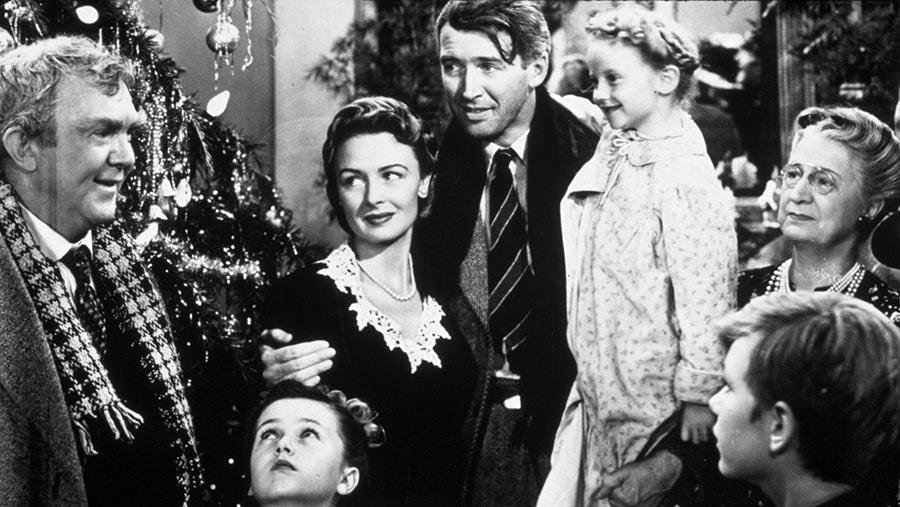
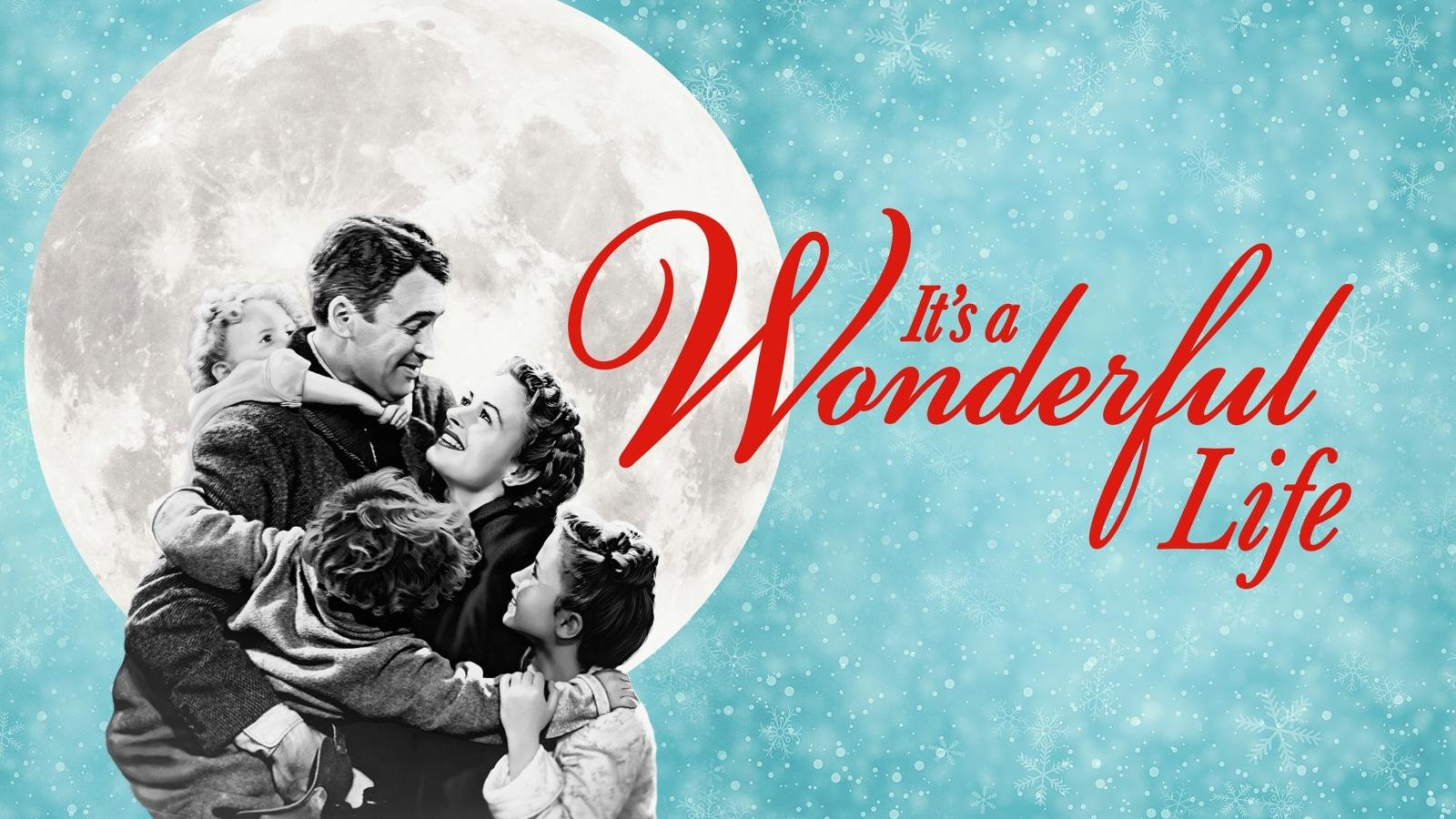
When publishers showed no interest, Stern paid to have 200 copies printed himself. He sent them to friends and family in place of a Christmas card, and added a few for contacts in Hollywood. It was a small act of confidence – the kind every self-publishing writer understands – but it turned out to be a decisive one. You may not recognise the title The Greatest Gift, but you will certainly know the film it later inspired: It’s a Wonderful Life.
Stern, who worked professionally as an editor and book designer, was already a published author in the field of American history. He also contributed to the Armed Services Editions during the Second World War, trimming and resizing books so they would fit comfortably into soldiers’ uniform pockets. His work travelled widely, and perhaps that experience prepared him for the unpredictable journey his own story would soon take.
The short story caught the attention of RKO producer David Hempstead, and the studio purchased the rights for $10,000 – roughly $150,000 today. Three different screenwriters attempted to adapt it, with Frank Capra initially set to direct. Unhappy with the treatments, Capra chose to write the screenplay himself. At the same time, he was growing frustrated with the restrictive studio system, whose contracts bound creatives tightly and exclusively. Seeking freedom, – and echoing the independent spirit familiar to many self-publishers – he founded Liberty Films with the aim of producing work on his own terms. Capra then bought the story back from RKO for the same $10,000 and set about making it his first independent feature.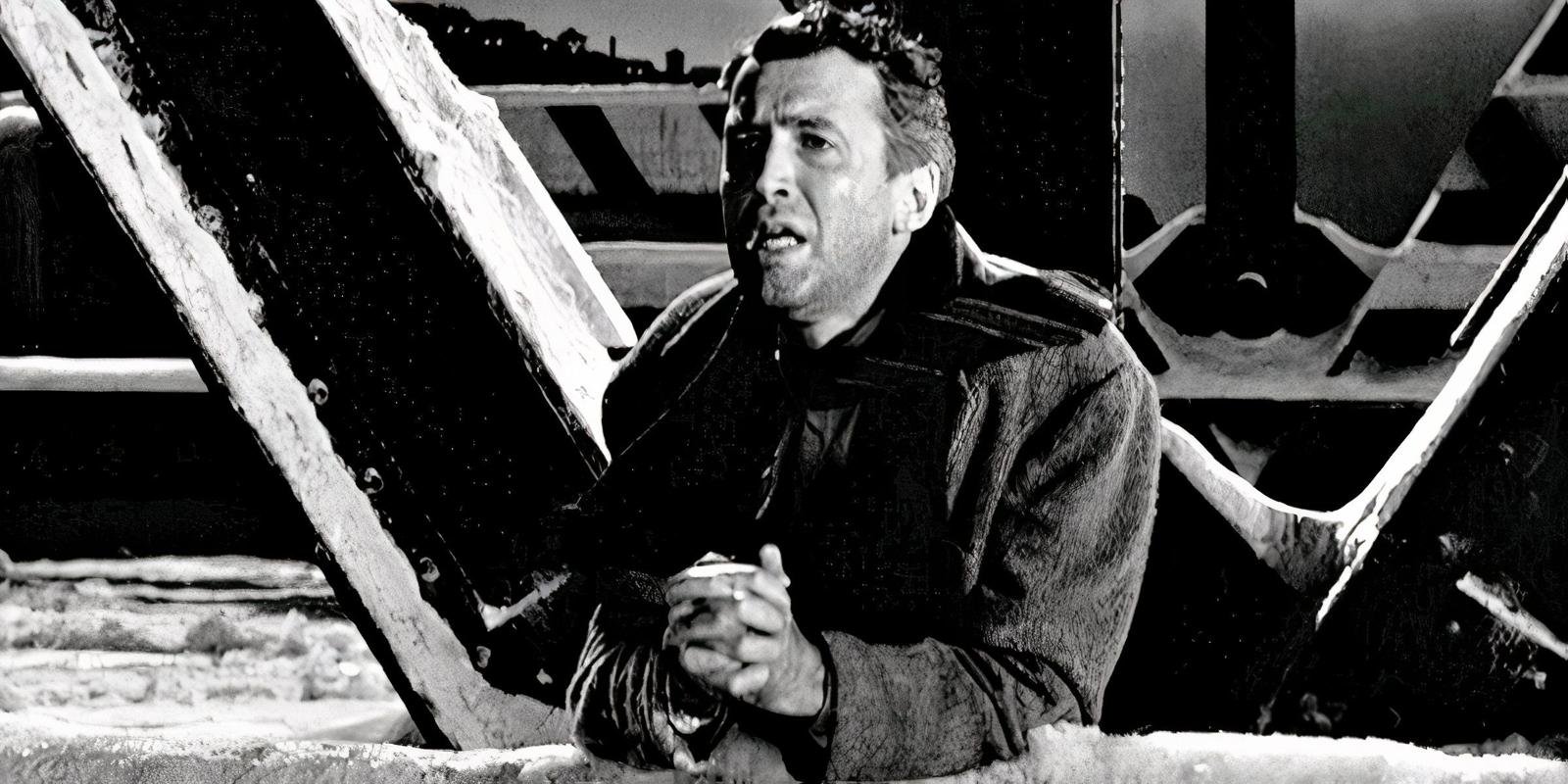
To get Liberty Films off the ground, Capra needed a hit. He approached James Stewart, who had returned from flying bombing missions over Germany and was struggling to decide whether to continue acting. The story of George Bailey, a man worn down by circumstance and contemplating ending his life, resonated with Stewart. He later admitted that his own wartime trauma helped shape the emotional depth of his performance.
It may seem surprising today, but It’s a Wonderful Life was once accused of communist sympathies and investigated by the FBI. Capra was already under scrutiny after Mr Smith Goes to Washington, which some American political figures, including Joe Kennedy, publicly criticised as unpatriotic. In the tense post-war climate, with anti-communist sentiment rising and McCarthyism on the horizon, even uplifting films could be viewed with suspicion.
Although the film is now celebrated as one of the greatest Christmas movies – and listed by the American Film Institute among the top 100 American films – its initial release was disappointing. Despite several positive reviews and five Academy Award nominations, it failed to recover its production costs. The one Oscar it did win was for technical innovation.
Because Capra preferred to record sound live, rather than adding it later, the traditional method of using painted cornflakes for snow (which crackled loudly underfoot) was unusable. The crew created a new, quieter mixture of Foamite, soap flakes, sugar and water, a technique still used when CGI cannot produce convincing snowfall.
Liberty Films could not survive the financial loss, and the failure of It’s a Wonderful Life effectively ended Capra’s filmmaking career. Yet, even decades later, he described it as the film he was most proud of – the one he felt he had been born to make.
Ironically, the film’s lasting success came from an administrative mistake. In 1974, its copyright lapsed due to a clerical error, placing it effectively in the public domain. TV networks could now broadcast it for a nominal fee, which they did repeatedly throughout the 1970s and 1980s. As it aired year after year, audiences rediscovered it, responded to its universal themes of self-worth, kindness and community, and turned it into a cherished classic. Stern continued to receive royalties for The Greatest Gift, because he had renewed the book’s copyright, though the film’s rights were not settled until 1993, when NBC secured
exclusive television ownership.
When you rewatch it this Christmas, look out for the visual humour woven throughout. Capra began his career working on silent films, and his fondness for visual gags remains. One charming moment occurs when George returns to the old house on his wedding night: a doorman leans back against the doorframe to raise his hat, and George responds by lowering his head. The rainwater that pours off his hat brim becomes a playful “tip” in return. Small, wordless touches like this help keep the film lively and engaging, even in its quieter moments.
Among the film’s modern admirers is Jodie Foster, who appreciates its exploration of identity, purpose and the human tendency to underestimate one’s own worth. Another long-time fan is Paul McCartney – the dreamer who once woke with a complete melody in his head – who says he revisits the film every couple of years at Christmas.
For writers, especially those choosing or considering the self-publishing route, the story behind The Greatest Gift is a reminder that creative work often takes unexpected paths. A tale that began as a humble, self-funded Christmas card ended up inspiring one of the most loved films of all time.
Clarence tells George that “Each man’s life touches so many other lives.” So, keep dreaming, keep writing, and you never know whose heart your words will reach or what your own work might become.
It really is a wonderful life!